Twenty Years after Hurricane Katrina: A Special Chicken Cacciatore Recipe
 Maylee at Beyond Gumbo
9 min read
Maylee at Beyond Gumbo
9 min read

It is difficult to believe that Hurricane Katrina occurred 20 years ago in Louisiana. Time flies! The hurricane blew ashore with great force on August 29, 2005 and slowly crawled up the Louisiana-Mississippi border during the night. Eighty percent of the city flooded in the days afterwards as the storm surged and as three levees inside the city were breached. Many folks lost everything in the aftermath of flooding. I’m sure that everyone who lived in south Louisiana at the time still has vivid memories etched into their minds of that hurricane. Some months after the hurricane, The Times Picayune, the local New Orleans newspaper, began publishing recipes which their readers lost during the flooding of their homes. Eventually a cookbook emerged from this project, “Cooking up a Storm.” The book is an nostalgic read — with stories of the people behind the recipes; of compassion and sharing after the hurricane; of iconic New Orleans’ restaurant favorite recipes. I selected one of the recipes in the cookbook, “Chicken Cacciatore,” to prepare. The recipe is traced to the Mosca family — a prominent Italian restaurant family. I decided to make a variation of the recipe as a memory of the hurricane.
Mosca’s Restaurant and Family
The Mosca family — whose original owners moved to New Orleans from Chicago — have operated Mosca’s Restaurant since 1946. It was named an America’s Classic by the James Beard Foundation in 1999. The restaurant is located across the Mississippi River on the West Bank in a humble, white building with a gravel parking lot. You will miss the restaurant if you are not looking closely. Entering the building is like entering a time capsule — the restaurant menu and building interior have changed little since the beginning. The menu features family-style Italian seafood and pasta dishes. Order several of the menu items and share among your guests at the table. Yes, the restaurant did suffer damage during Hurricane Katrina and was closed for several months for repairs. When it reopened; it was as if nothing had changed.

Chicken Cacciatore Recipe
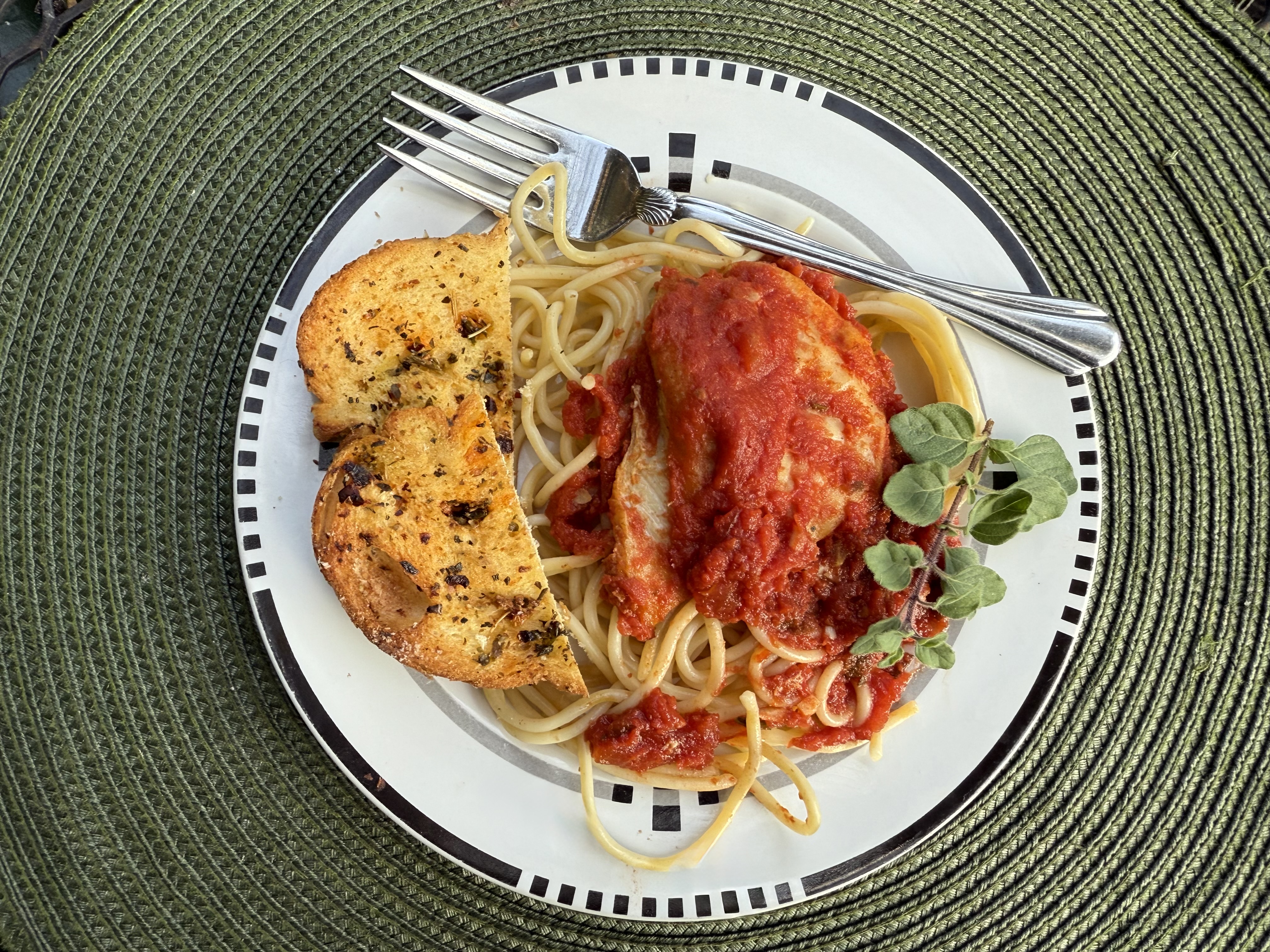
The restaurant’s dishes are all excellently seasoned and prepared. Italian cooking at its best. And, so I was excited to see a recipe from Mary Jo and Johnny Mosca — second generation family members — in the “Cooking up a Storm” recipe book. In addition to chicken pieces, the Chicken Cacciatore dish has lots of herbs and seasonings — garlic, rosemary and oregano — which are true to the cooking of the Moscas. Looks like it will be delicious!
Understanding Hurricane Katrina
To understand the devastation caused by the hurricane, it is helpful to understand the geography of the city. It wasn’t the rain or wind which caused the damage; but the storm surge and flooding. Much of the city of New Orleans is below sea level — like a city in a basin; some parts are much as 10 feet below sea level. It hasn’t always been that way; over the years, the city has sunk. A system of levees — which tower over the surrounding residential neighborhoods — and powerful pumps keep the water out of the city. During and after the hurricane, the pumps failed — they just couldn’t keep up with the water coming into the city. Plus, the power failed. And, the levees were breached in three places — but it was enough. Water flowed over the levees and the city filled up like a bathtub filling with water. The hurricane was huge and powerful — one of the largest recorded. Although the actual eye of the hurricane came east of the city — closer to Mississippi, the water surge came up the path of the Mississippi River outlet from the gulf. The overflowing water had no place to go downstream — it sat in the city and neighborhoods for days. (The last flooding finally subsided on October 11.) Many homes filled up with water to their ceilings. (Here you can see the levee in the background towering over the homes. As the water overflowed the levee, it just pushed houses off their foundations — this time onto the top of a car.)

Hurricane Katrina was the “perfect storm.” First, it snuck up on folks who didn’t have much notice to leave — the storm appeared headed towards Florida. Plus, it really didn’t enter the Gulf of Mexico until Saturday. (It was sunny — my husband and son were on a boy scout camping trip in Mississippi!!) The storm passed over New Orleans on Sunday night. Then, it followed the worst possible route — pushing water up the Mississippi River rather than down the river. Third, the pumps and levees failed.
Many folks did not leave the city prior to the hurricane; the Louisiana Superdome and Ernest N. Morial Convention Center became makeshift shelters hundreds of folks. It was a nightmare. After a week or more, those folks were finally evacuated to Baton Rouge, Houston and other cities. Days later, folks were allowed to return to their devastated homes. (The red markings are the National Guard’s way of indiciating how many folks they found in the homes and their status. In this case, they searched the house on 9/6 and no one was found deseased inside.)

We took these photos in the heavily damaged Nineth Ward in January of 2006. This is one of the more disadvantaged areas of the city. (But, wealthy neighborhoods flooded, too. The hurricane didn’t care.) We were expecting to see lots of progess on repairs. Wrong! It still looked like a war zone. Sureal.

Could it happen again? In the years after the hurricane; the levees have been reinforced — higher and stronger. The pumps more powerful. Folks say it won’t happen again. Let’s hope they are correct.
Years later, the city has largely rebuilt. It is vibrant and active. A testament to the will of the people.
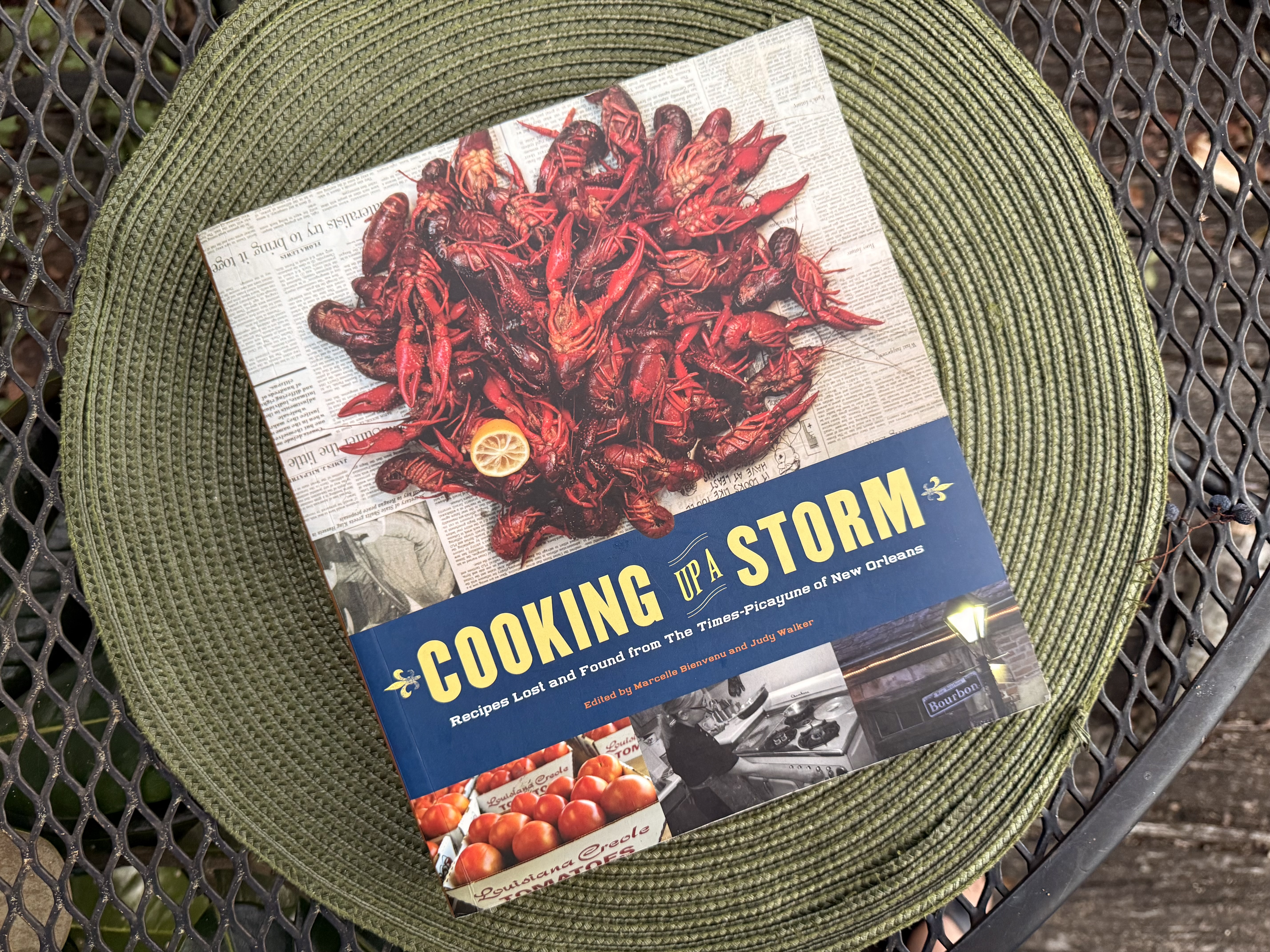
The Recipe Book, “Cooking Up a Storm — Recipes Lost and Found”
The food editors at the newspaper, The Times-Picayune, found a unique and novel way to help folks recover from their trauma of losing all their worldly possessions, including cookbooks and recipe files. Food is an important part of the culture of New Orleanians. The food editors started a weekly column to help folks reconnect with beloved but lost recipes. Mention a recipe which you were missing; and readers with that recipe would submit it for publication. A clever and popular service to the community. Eventually the food editors realized what a treasure they had and developed the recipe columns into a cookbook, “Cooking Up a Storm — Recipes Lost and Found.” It is a wonderful book and makes for great reading. It is much more than a recipe book; telling the stories the people behind the recipes. I also love that recipes from iconic restaurants and chefs are included. It is a great reference book.
Making Chicken Caccatorie
“Chicken Cacciatore” was requested from a reader in Metairie had lost her copy of the recipe, prompting her to request it in the Times-Picayune column. The recipe, from Mary Jo and Johnny of the Mosca’s, was originally included in another cookbook published on 2003. It appears to me that the recipe needs a little “tweaking.” Hence, I am using the recipe as a guide with my own modifications. For example, I used two boneless chicken breast cutlets rather than a whole, cut up chicken. (A whole, cut-up chicken would be delicious here, and would add lots of flavor to the dish. Substitute if desired. Today, I’m going for simplicity.) I used sherry cooking wine rather then dry cooking white wine. I used fresh rosemary and oregano rather then the dried herbs. Yes, a great use for some of the herbs growing in my container garden. The crushed tomatoes and garlic are the same as is the original recipe.
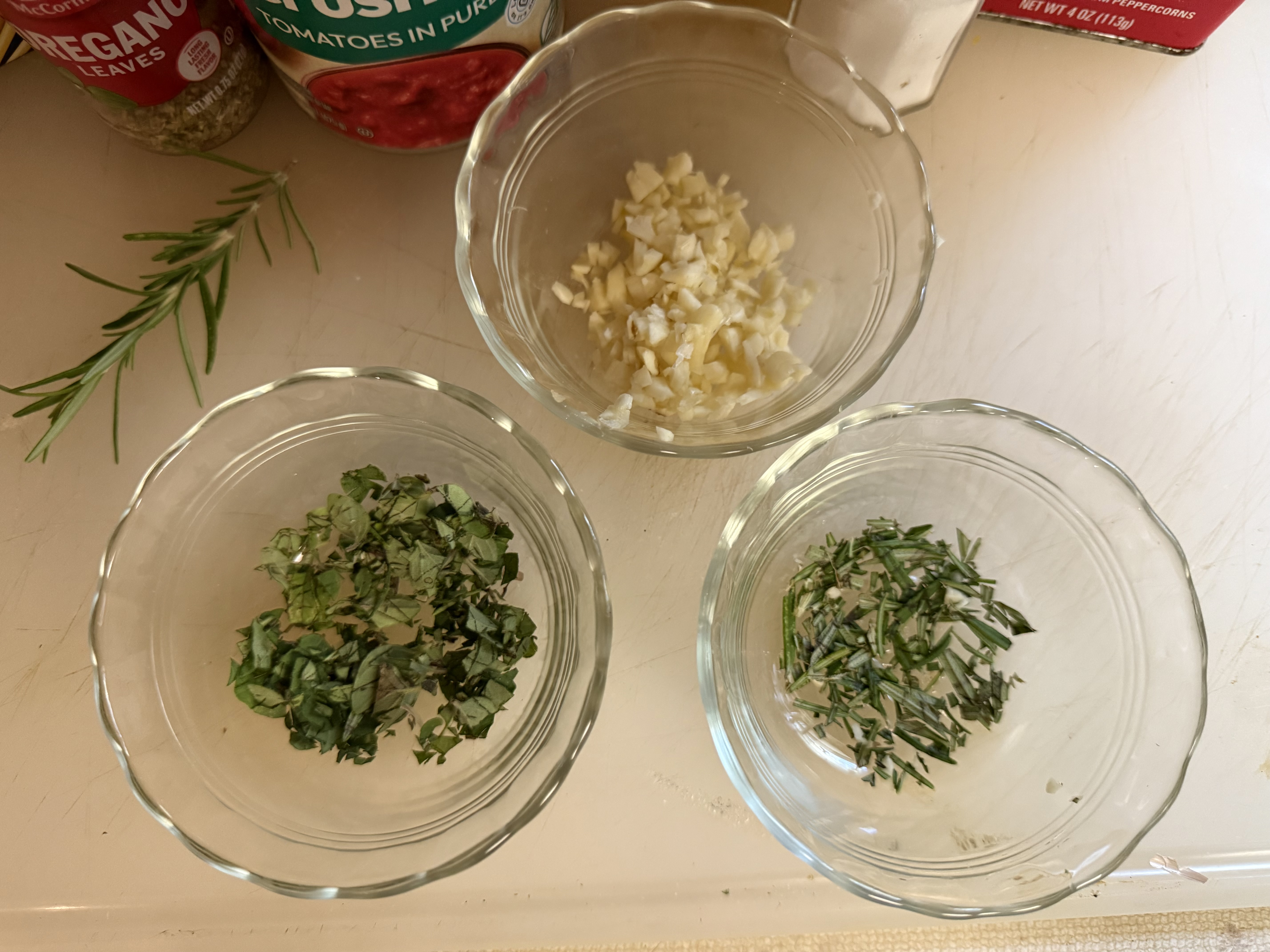
Here we go. Here are the ingredients:
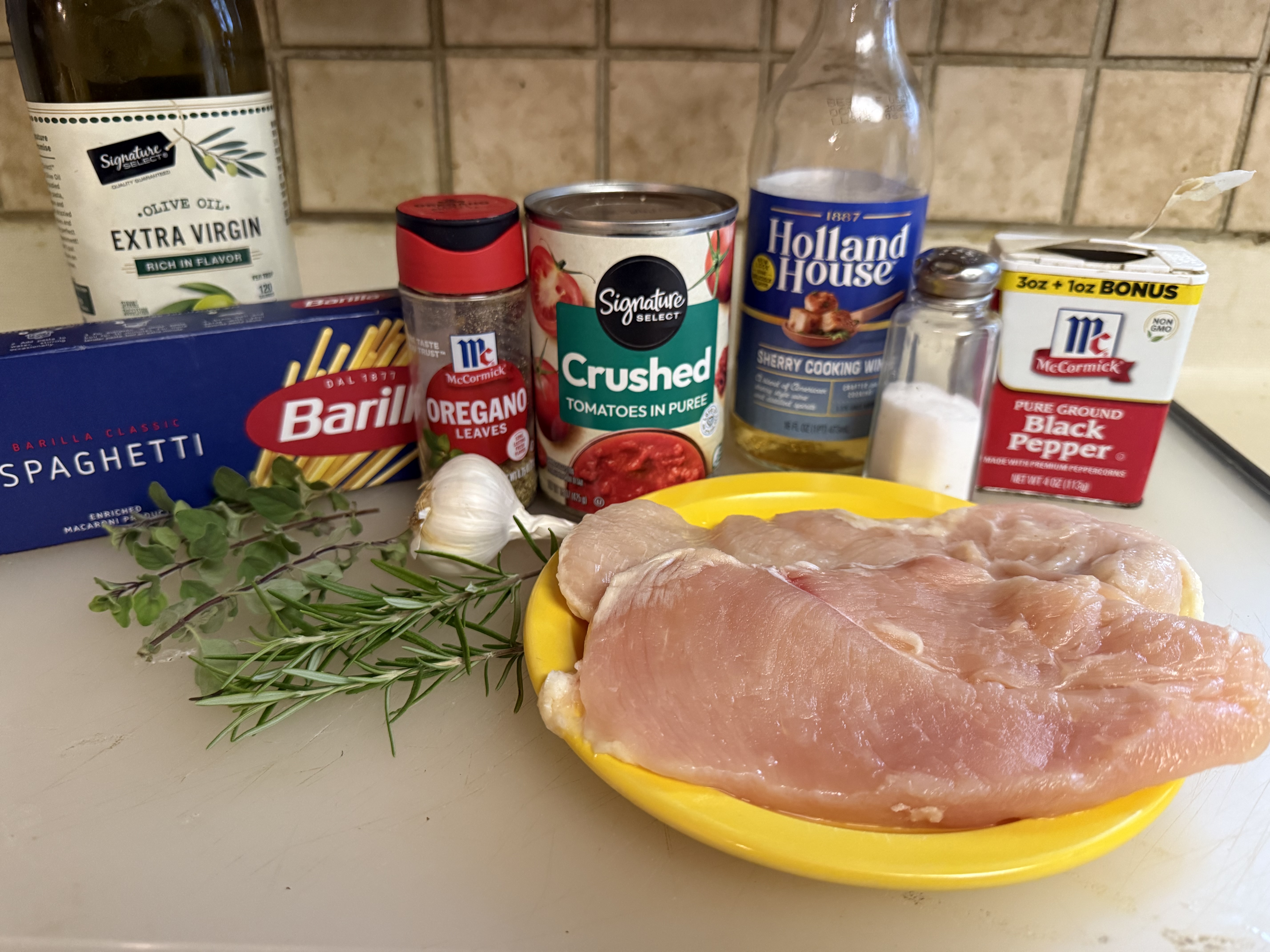
To get ready, mince the garlic, fresh rosemary and oregano. The fresh herbs give a great flavor “pop.” Although this seems like alot of garlic; that amount is typical of the the Mosca family recipes. Interestingly, rosemary is included in a number of the dishes served in the Mosca’s restaurant. That’s great; as rosemary grows so well in my garden.
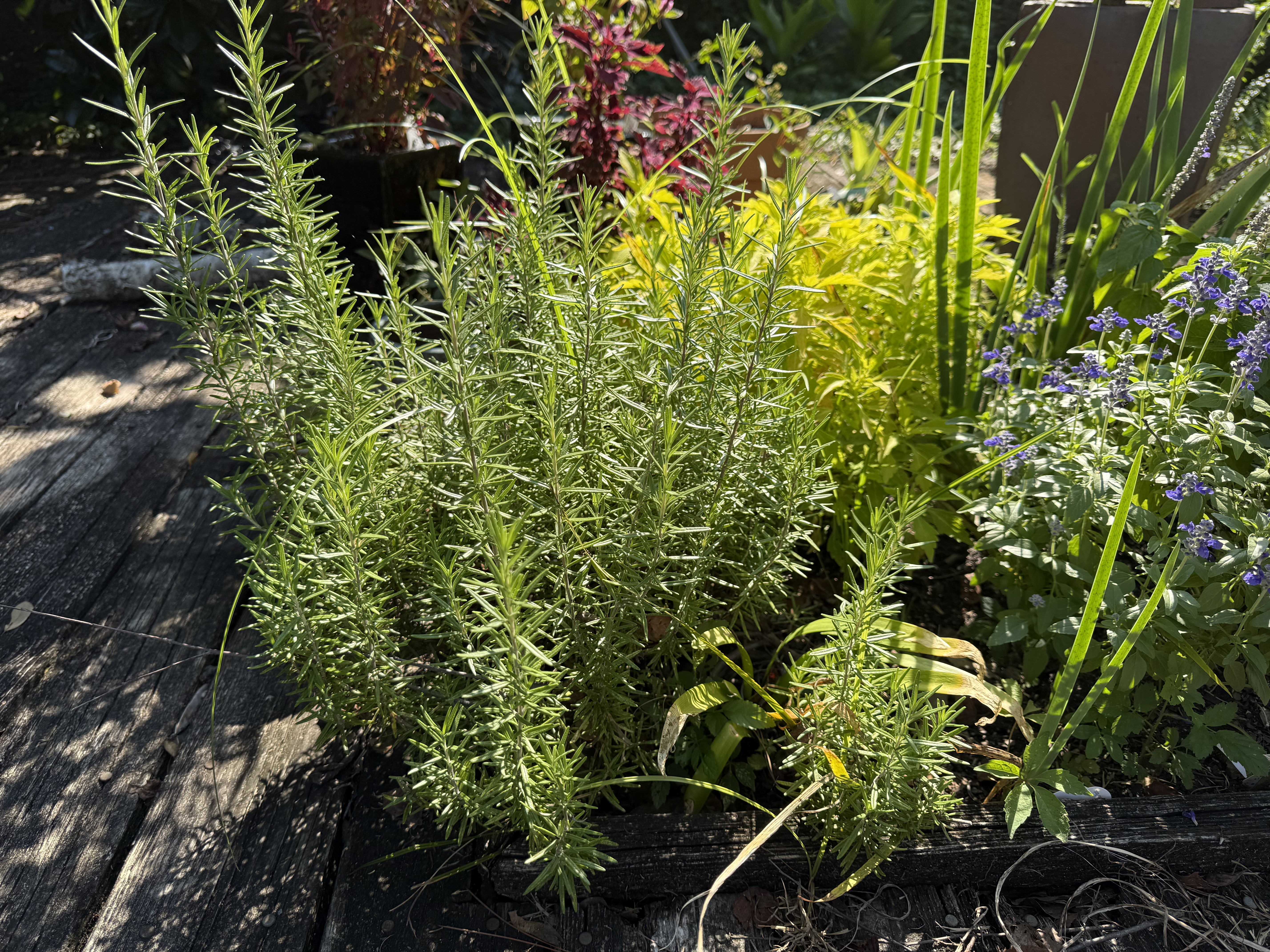
Rosemary is a perennial bush and grows well in many climates. I found a sunny spot; the plant loves it! It’s nice to be able to walk outside a few steps and pick the fresh aromatic leaves for a dish.
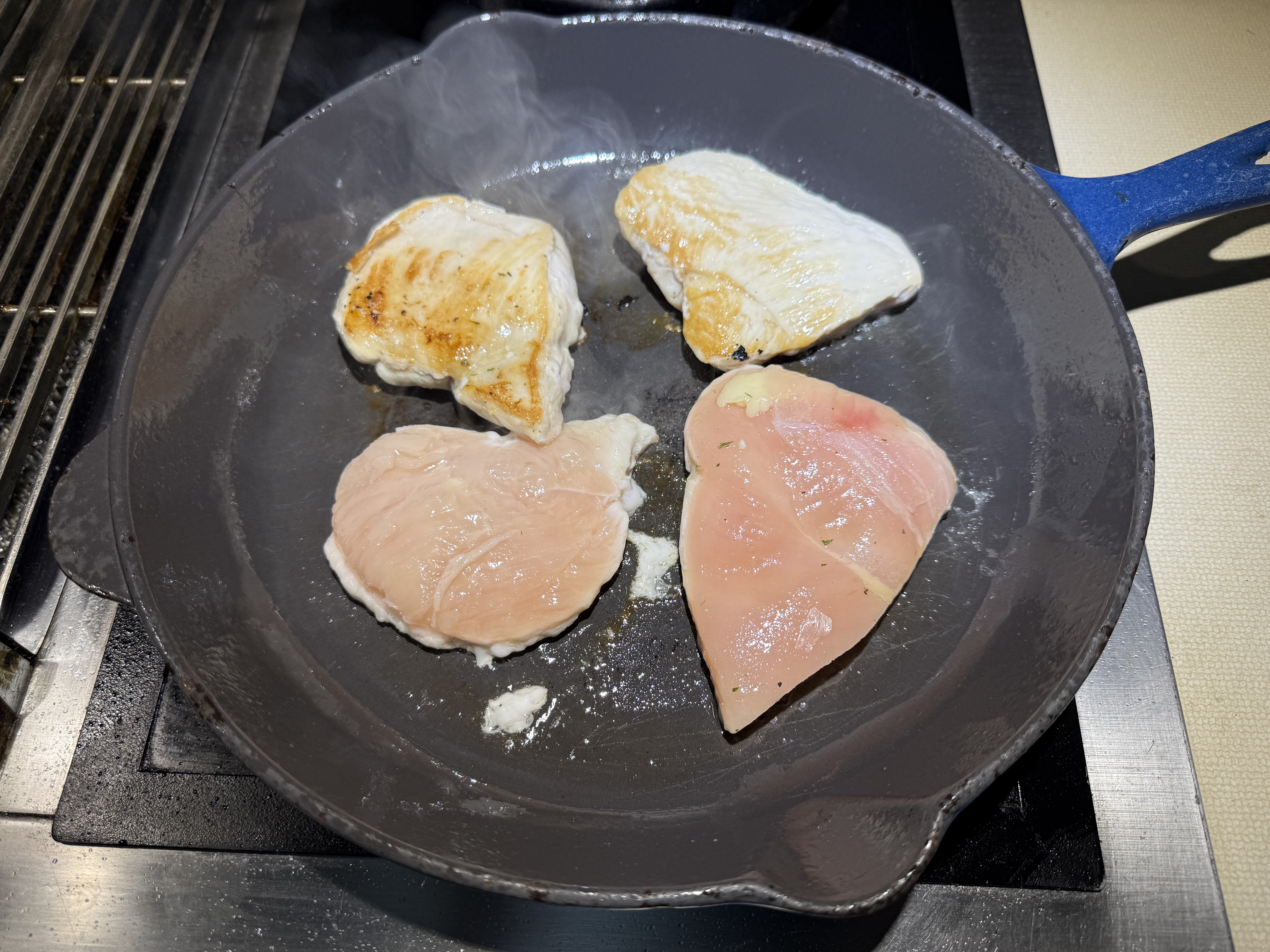
To make the recipe, sear the boneless chicken breast cutlets in olive oil — these folks are Italian! (Or, sear the pieces of a whole cut-up chicken in several batches.) Season with salt and pepper — the Mosca’s recipe added quite a bit of black pepper!
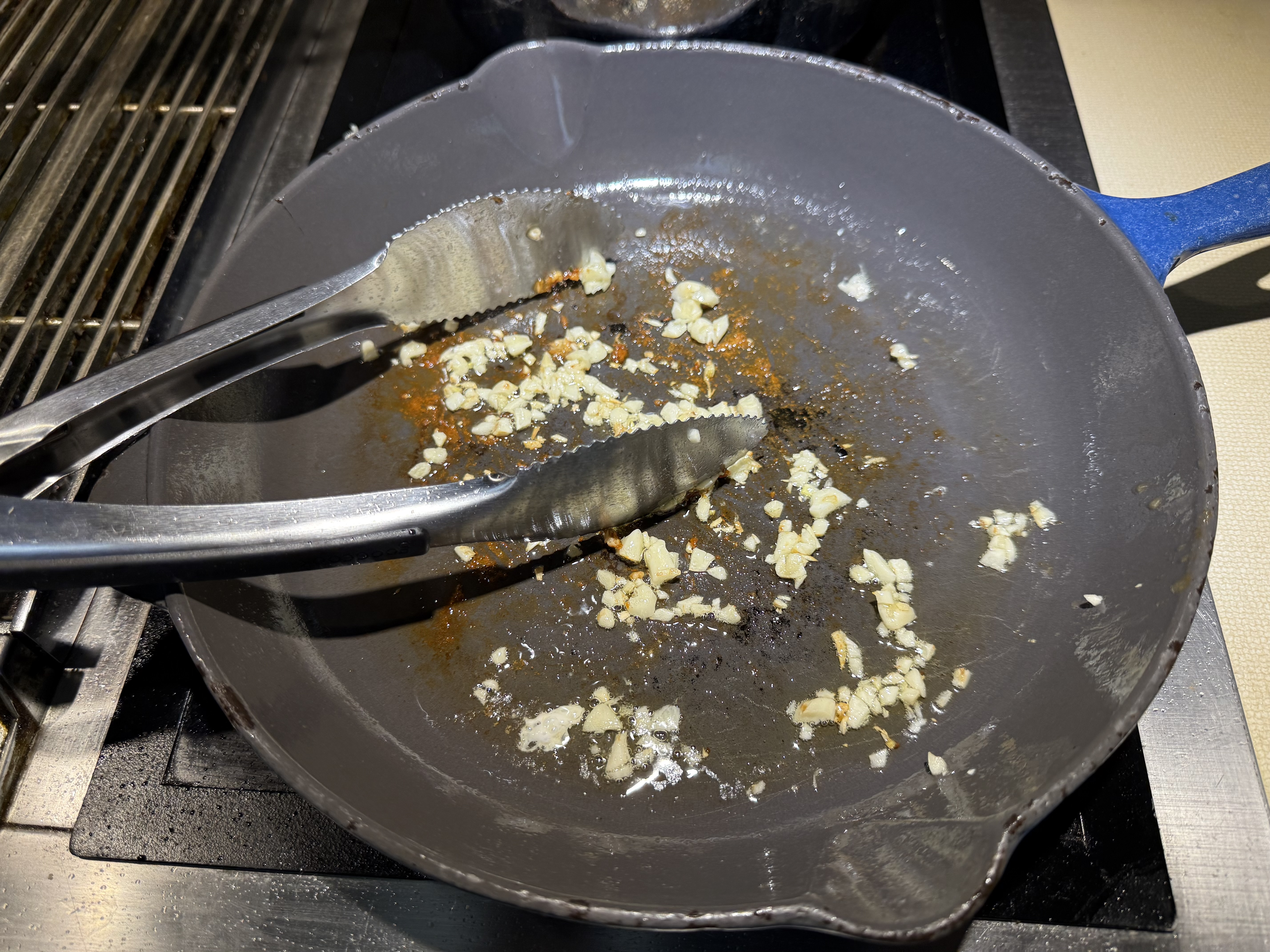
Remove the chicken to a plate while you sauté the minced garlic until aromatic over medium heat (just a minute or less). Return the chicken to the skillet. Add the wine. (Do this off the burner — it will splatter). Add the fresh herbs. Mix in the crushed tomatoes.
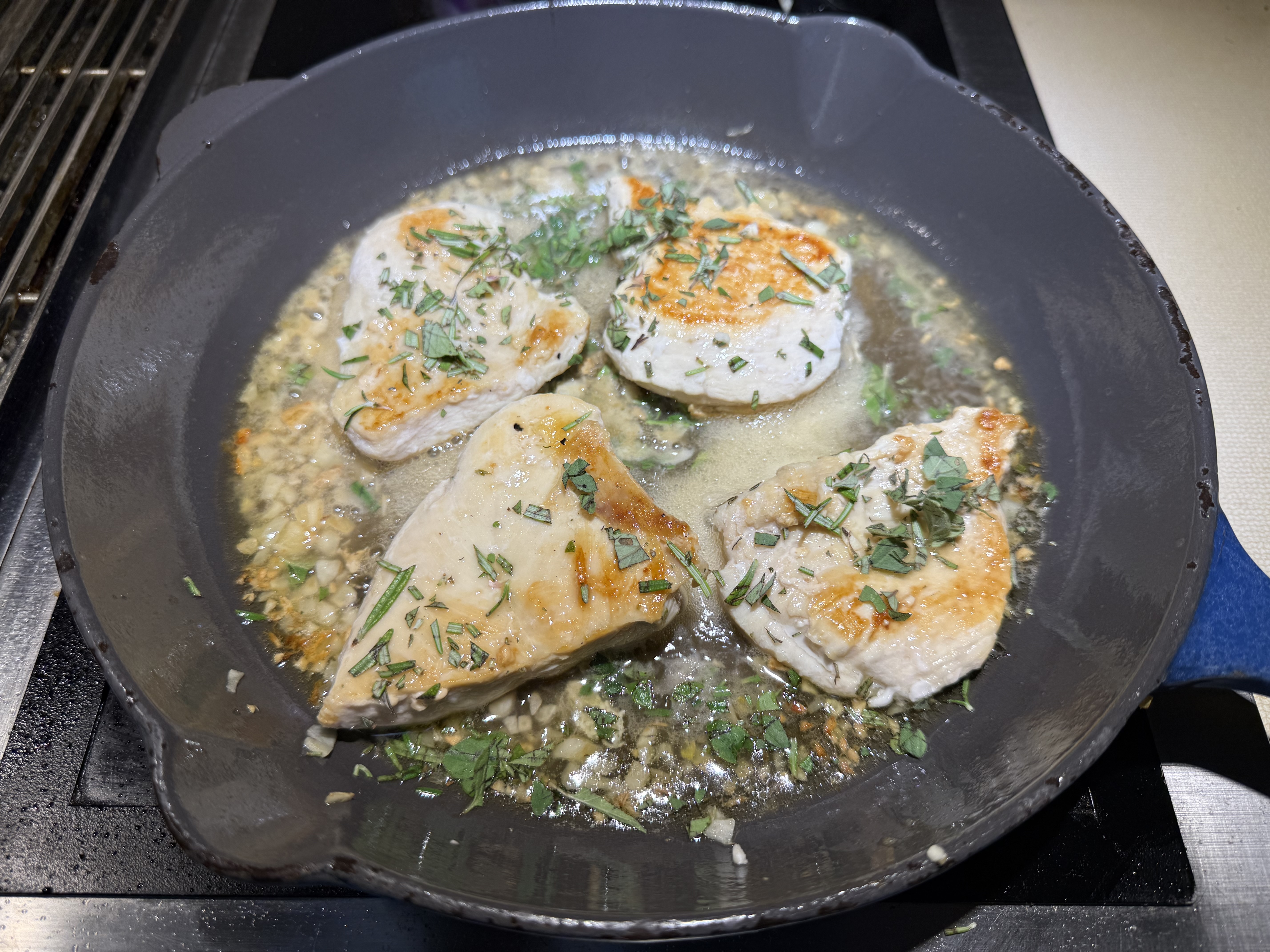
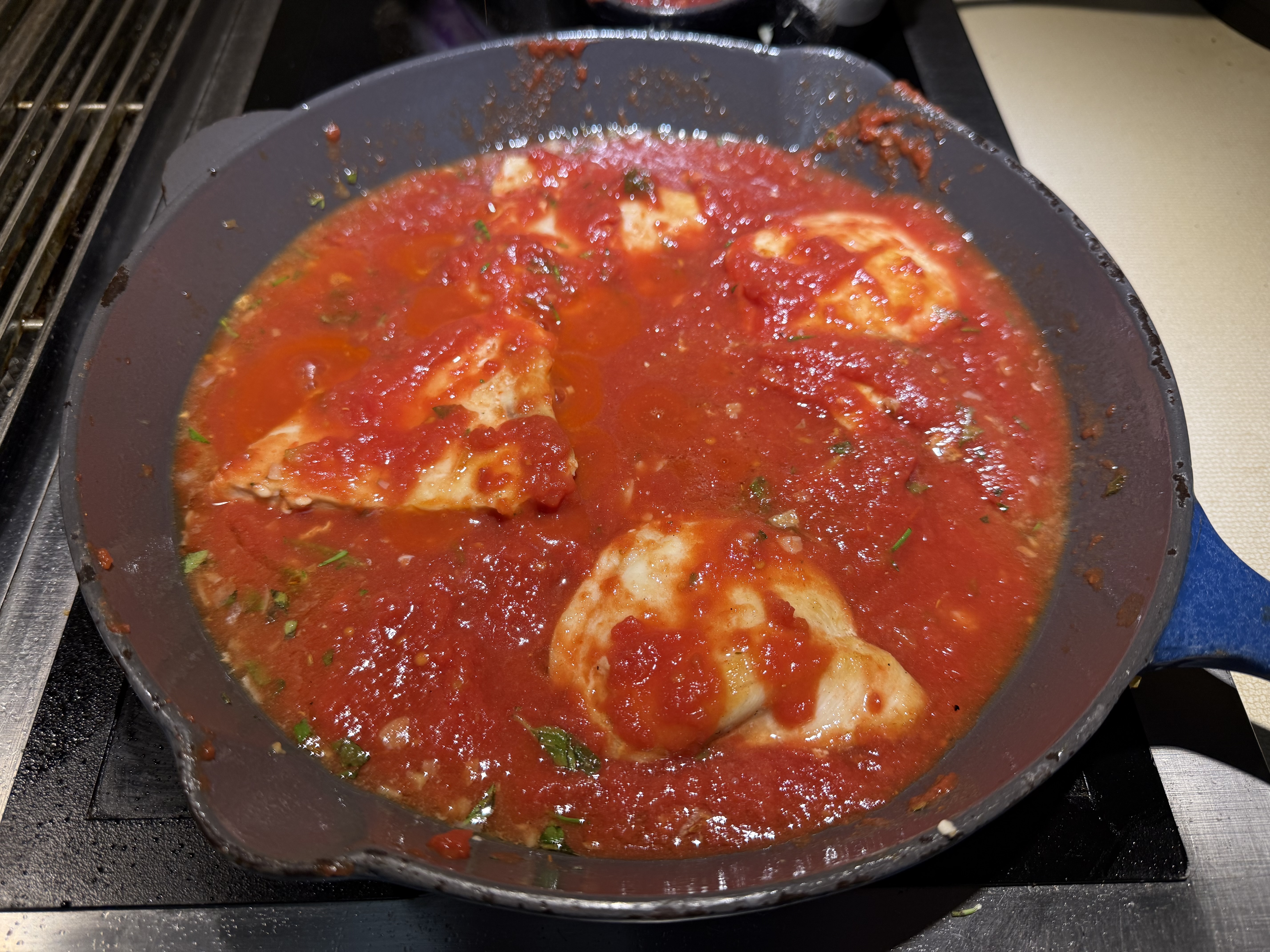
Partially cover and let the chicken bubble and simmer away for about 30 minutes until the chicken is tender. The flavors of the herbs and white wine blend in making an absolutely delicious tomato sauce. I did find it necessary to add additional water — as the tomatoes were beginning to stick.
Serve with cooked spaghetti for an authentic Italian dish.
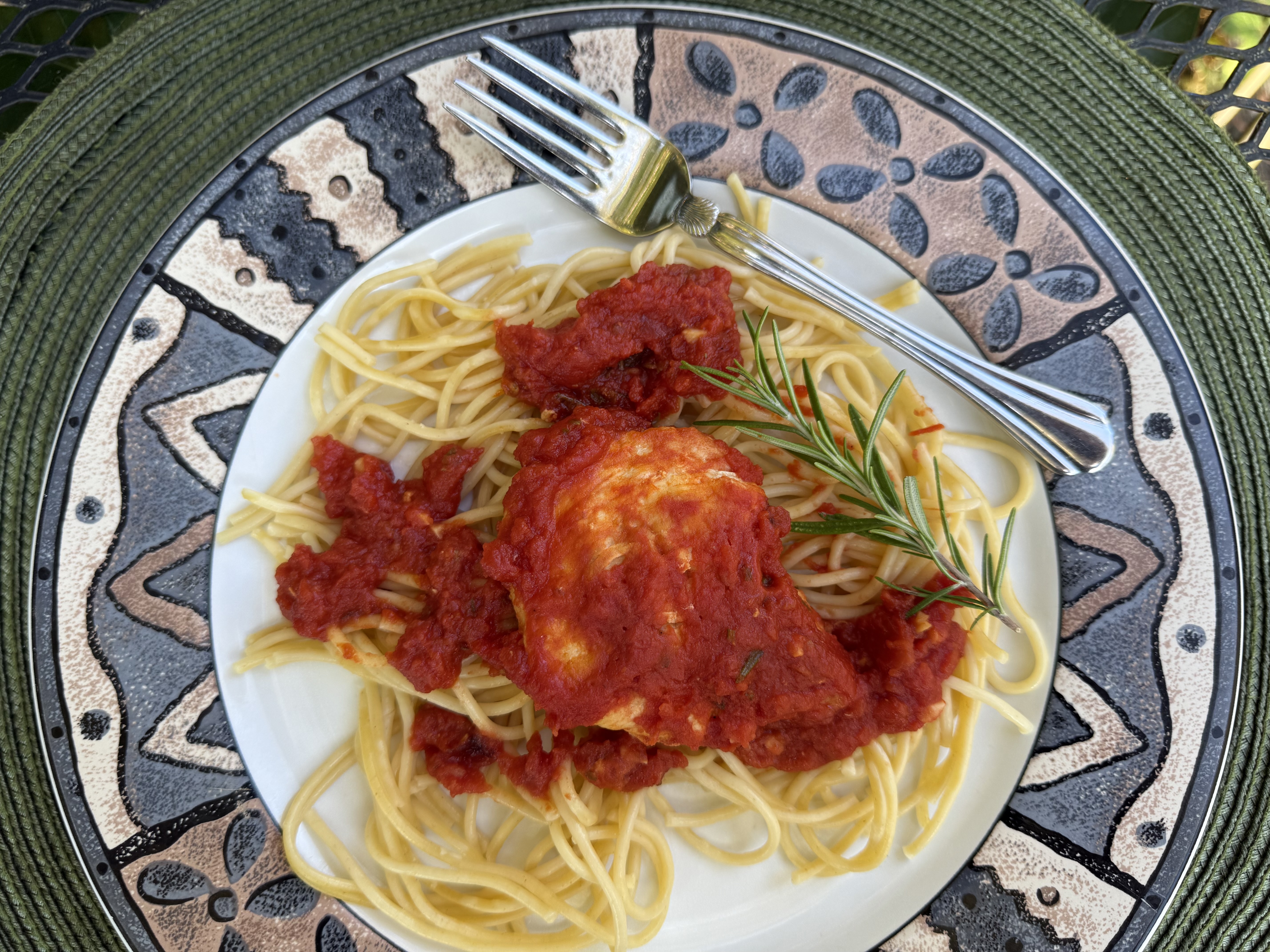
There are many, many variations to Chicken Cacciatore recipes. With this recipe, the fresh herbs — rosemary and oregano — and garlic shine. The white wine blends in with the tomatoes. Plus, the chicken pieces — (especially whole chicken pieces with skin and fat) give flavor to the sauce.
Hurricane Katrina Memories
I have lots of memories of Hurricane Katrina and could tell so many stories. Since we lived in Baton Rouge, we were not at risk of flooding or rain and wind damage from the storm. Rather, we watched the television to see masses of folks being transported to shelters in Baton Rouge. We helped out in various ways, too; my husband volunteered regularity at a local synagogue shelter. I helped out at the LSU Field House (which housed those evacuees with medical illnesses — I was a Registered Nurse). A vivid memory will be always be of the numerous, noisy helicopters which flew constantly just above the roof of our house for weeks on their way too and from New Orleans — as their landing pad was stationed close by. It was surreal. Even several years later, the hard-hit area of the University of New Orleans still was largely unbuilt and looked like a no-man’s land — all the bushes were gone! That was also sureal.
But life is good, and much of the city of New Orleans has rebuilt. We are amazed at how this city has rebounded.
I will always cherish this cookbook — for several reasons. First, it is the connection with Hurricane Katrina. Secondly, it excemplifies our connection to the city of New Orleans. I’ll look at a recipe from a restaurant, and my husband and/or I will have a story of when we ate there. What memories.
Enjoy my spin on “Chicken Cacciatore.”
Chicken Cacciatore
Ingredients:
- 2 Tbsp olive oil, divided
- 2 (8 oz) boneless, skinless chicken breast cutlets*
- 1/2 tsp salt
- 1/4 tsp black pepper
- 6 cloves garlic, minced
- 1 tsp fresh or dried rosemary leaves
- 1 tsp dry or 2 tsp fresh, minced oregano leaves
- 1/2 cup dry white wine
- 1 cup water, more as needed
- 1 (15 oz) can crushed tomatoes
- cooked spaghetti, for serving
Method and Steps:
- Heat 1 Tbsp olive oil in a large skillet over medium-high heat.
- Sear chicken pieces until browned, turning occasionally.
- Season with salt and pepper. Remove to a plate.
- Reduce heat to medium. Add remaining 1 Tbsp oil to skillet. Add the minced garlic. Stir and cook until aromatic.
- Return the chicken to the skillet. Sprinkle with the minced fresh (or dried) herbs.
- Briefly remove the skillet from the heat. Pour the wine over the chicken and stir. (Wine may splatter.) Add the pureed tomatoes and water. Stir until ingredients are mixed.
- Return the chicken to the heat. Partially cover, simmer until the chicken is tender, about 30 minutes. Add more water as needed.
- Serve with cooked spaghetti.
*NOTE: May substitute one (3 pound) chicken, cut into serving pieces.
Reference:
“Chicken Cacciatore”, p. 150 in Cooking up a Storm, Recipes Lost and Found, Marcelle Bienvenu and Judy Walker, editors, Published Chronicle Books: San Francisco, copyright 2008 by The Times-Picayune


How could it be 20 years! Oh my.
Yes, time flies! New Orleans has rebounded — and now you would never know there was hurricane damage in most parts of the city. It is a great place to visit — lots of wonderful food.
We visited ten years after Katrina, and it was so sad to see many destroyed homes, still, in the 9th Ward.It was shocking to me to see that some levees, just mounds of grass-covered soil, were only 4-6 feet high. I know that the New Orleans community is strong, and is still rebuilding. My heart goes out to them. Thanl you for this recipe.
Hello, we were just in New Orleans for the day this past week; it is amazing that, over the past 20 years, how much the city has rebounded. Now it is a great place to visit, with buildings rebuilt and painted with lots of wonderful new restaurants. We visited a neat French bakery with a quaint garden. Delicious food!